2009年10月2日 星期五

China's 60th Birthday: The Road to Prosperity


Sixty years ago Mao Zedong stood before a sea of people atop Tiananmen Gate proclaiming, in his high-pitched Hunan dialect, the founding of the People's Republic of China and that the "Chinese people have stood up!" The moment was marked with pride and hope. The communists' victory had vanquished the Nationalist regime, withstood the vicious onslaught of the Japanese invasion and overturned the century of foreign encroachment on China's territory. Moreover, Mao and the Chinese Communist Party (CCP) came to power without significant external support — theirs was largely a homegrown revolution.

Mao brought a vision for China that has resonated from the 19th century Qing dynasty reformers to this day: to regain China's fu qiang (wealth and power), dignity, international respect and territorial integrity. In this regard, Mao and the CCP positioned themselves squarely with a deep yearning among Chinese — thus earning their loyalty and the party's legitimacy. His successors have not wavered from this singular vision and mission.

Tragically, Mao's belief in restoring China's greatness and achieving modernity was inextricably intertwined with his ideological desire to transform China into a socialist and revolutionary society. Mao's social engineering continually convulsed China in unrelenting political campaigns. These movements disrupted productivity and caused horrific loss of life. Yet, despite the chaos, the People's Republic embarked on industrialization and stood up. By many measures, 60 years on, China has achieved significant progress toward becoming a major and global power. Mao may recognize it, but he would not be wholly happy with it.

As the People's Republic of China commemorates its 60th anniversary, it seemingly has much to celebrate. China is the world's most populous and industrious nation, is the world's third largest economy and trading nation, has become a global innovator in science and technology, and is building a world-class university system. It has an increasingly modern military and commands diplomatic respect. It is at peace with its neighbors and all major powers. Its hybrid model of quasi-state capitalism and semidemocratic authoritarianism — sometimes dubbed the "Beijing Consensus" — has attracted attention across the developing world.

This growing soft power of China was strengthened by the 2008 Olympics extravaganza, and the Shanghai Expo next year will similarly dazzle. The 60th anniversary celebration in Beijing on Oct. 1 will impress, if not frighten, the world with an arresting display of military hardware and goose-stepping soldiers. Less visible is the fact that China is the first major economy to recover from the global recession and, indeed, is leading the world out of it.

China is on a roll, particularly when viewed over time. Visiting or living in China every year over the past three decades, I have had the personal opportunity to witness dramatic transformations. When I first went to China in 1979, vestiges of the Cultural Revolution were still evident: revolutionary slogans painted on walls and pockmarks on university buildings from bullets and howitzer shells shot by dueling Red Guards. Camouflaged, but just as evident, were the personal scars borne by intellectuals and officials whom I met at the time. I heard stories of beatings and humiliations, confiscations of personal possessions and loss of living quarters, and forced hard labor.

I then witnessed the dramatic blossoming of personal freedoms and economic growth in the 1980s, punctuated by periodic countercampaigns launched by neo-Maoists in the leadership. One could literally feel and see Chinese society come alive after its long Maoist trauma, only to have people quickly recoil when the conservatives in the leadership reasserted themselves. This seesaw pattern persisted throughout the decade, culminating in the dramatic Tiananmen demonstrations and their suppression in June 1989.

In the early 1990s, I again experienced China as a society traumatized, this time by the aftermath of Tiananmen. But by mid-decade Deng Xiaoping had reignited domestic economic reforms and China had normalized its place in the world after its post-Tiananmen isolation. Politics, however, remained frozen and the heavy hand of the state remained evident. Only during the present decade, in the waning years of Jiang Zemin's rule and under Hu Jintao, has the Communist Party begun to experiment with very limited political reforms. My discussions with those party officials involved with crafting the "democratic" reforms makes clear that there are strict boundaries to how far they will proceed.

Thus, when considering the totality of six decades, the record of the PRC is decidedly mixed. While its achievements have been momentous, so are the contrasts and contradictions exposed by those very same achievements. In many sectors, each reform breeds new problems and challenges. China has come a long way, but it still has a long way to go.

The question for China's leaders was never whether to modernize — but how. During the Maoist era a variety of economic models were experimented with, each of which achieving some modicum of growth. Yet all of them left China lagging far behind the West and East Asia. The costs of some initiatives, like the Great Leap Forward from 1958 to 1960, were catastrophic in human and environmental terms. It was not until Deng and Chen Yun, another reform-minded Politburo member, returned to power in 1978 from internal exile that the economic course was changed.

Three decades later, the world witnesses the extraordinary results. China is now the world's third largest economy, after the U.S. and Japan, and recently surpassed Germany as the largest exporting nation. Its GNP is on course to overtake Japan's by 2010 and perhaps that of the U.S. by 2020.

Much of this dynamic growth has been export-driven, benefiting the low- and medium-technology sectors of the economy. But China is beginning to move up the technological ladder and is becoming more innovative in certain sectors such as electronics and biotechnology. The country has become a manufacturing superpower and the workshop of the world, producing two-thirds of all photocopiers, microwaves and shoes; 60% of cell phones; 55% of DVDs; over half of all digital cameras; 30% of personal computers; and 75% of children's toys, plus a wide variety of other goods.

As a result of its economic boom, China has amassed a staggering $2 trillion in foreign exchange — the largest reserves in the world — and is beginning to invest significant amounts abroad. Today, 37 Chinese multinational corporations rank among FORTUNE's top 500 global companies, up from just six a decade ago, while 450 out of the FORTUNE 500 American companies have production lines and a business presence in China. China has become the world's largest recipient of foreign direct investment. To fuel its economic boom, China's voracious and insatiable appetite for raw materials has led it to absorb large amounts of global commodities. China now consumes 16% of global energy resources and is the world's third largest consumer of oil.

But the economic explosion has come at a high environmental cost. China's air and water are among the most polluted on earth and it is the leading emitter of greenhouse gases. The environmental nightmare is hurting public health. Malignant cancer now accounts for 28.5% of deaths while respiratory diseases account for 13.1%, according to the 2008 China Statistical Yearbook. China's growth has been dynamic, but it is also double-edged.

Reinventing a Nation

Mao spent his lifetime trying to transform Chinese society in his utopian, socialist and revolutionary vision. He tried to create a "new socialist man" and an equitable society. His regime succeeded in providing the world's largest population with food to eat, housing and basic services. Social vices were eliminated, literacy was expanded, life expectancy increased and infant mortality decreased. These were no small achievements. But Mao's efforts to impose socialism had a deadening effect on urban and rural society alike, as political movements repeatedly harassed different groups of people.

By the time Deng and his compatriots came to power in 1978, China was traumatized, tired and alienated by 30 years of Maoist experiments and totalitarian controls. Deng's wisdom was to recognize that the state needed to retreat from society and the economy if the creative and entrepreneurial spirits of ordinary Chinese were to be unleashed.

Three decades later, Chinese society has fully blossomed. Chinese today experience a wide variety of personal freedoms in daily life that they and their ancestors had never known. Chinese state and society have also reconnected with the past, emphasizing Confucian and Buddhist values. More than 200 million people have been lifted out of poverty and the members of a growing middle class with disposable income travel abroad, invest in the stock market, dine out and decorate their stylish apartments with furniture purchased from stores like Ikea. Access to education has become far more widespread. Some 21 million students attend university today, while an estimated 300,000 study abroad every year. Approximately 206 million Chinese children attend primary and secondary schools. Basic literacy is almost universal in China today, while it was roughly 20% in 1949. Still, China remains a poor country by global standards: some 207 million people still live below World Bank poverty levels on less than $1.25 per day.

With economic growth have come demographic shifts and life improvements. Live expectancy has shot up while infant mortality has plummeted. In 1949 more than 90% of the population lived in rural areas; given the expansion of urban areas, slightly more than half (721 million) do today, according to official statistics. But China's increasing urbanization and spreading industrialization have resulted in a considerable loss of arable land and forcible evictions, sparking much resentment against local officials.

Chinese intellectual life has also improved, although over time this remains one of the real dark spots of Chinese communist rule. For six decades intellectuals have been persecuted, harassed and forced to conform and create within various boundaries set by the state. They continually probe the boundaries — until the state pushes back. Despite continuing controls, public and private discourse in China has never been so free. The blogosphere and Internet are alive with unbridled discussion — unless and until it crosses the state censor's invisible hand.

While China has made much progress, it still has many blemishes. Treatment of ethnic minorities — particularly Tibetans and Uighurs — is the Achilles' heel of the regime, as violent riots last year and in recent months have clearly demonstrated. Crime and corruption remain serious problems, while cities struggle to provide basic services to the huge "floating population" of 100 million or so migrants. Income disparities (as measured by the Gini coefficient) are now approaching the highest in the world. China has again become a stratified society — just what Mao sought to eliminate. Still, given the unprecedented scale and nature of China's socioeconomic change over the past 30 years, the country's relative stability is commendable.

Politics Not as Usual

At first glance, China's political system has not changed much since 1949. It is still a Leninist system, dominated by the CCP and an oligarchy of its self-selected leaders, which tolerates no opposition. The Party's powerful Organization Department oversees all major appointments in the country, and one must really be a party member to get ahead professionally. Party and government organs remain essentially as they were six decades ago, copied from the Soviet Union.

But while much of the structure and essential nature of the system remains largely the same, the substance and process of politics has changed quite a lot. The leadership and the 76 million party members are better educated and their recruitment and promotion is much more meritocratic. Competence is now rewarded. In the past, there existed only two exit paths from officialdom: purges and death. Now mandatory retirement is firmly implemented. Instead of being a totalitarian party dominated by a single leader, the CCP today is an authoritarian party with a collective leadership. The leaders themselves — at least those I have witnessed — are now remarkably self-assured and relatively sophisticated. Marxist-Leninist ideology plays little, if any, role in their decision-making. The policy process is more consultative, although still lacking in transparency. Much emphasis is put on governance and officials at all levels undergo required training in public administration.

On the whole, the Communist Party has proven itself to be remarkably adaptable and open to borrowing elements from different countries and political systems. As a result it is becoming a hybrid party with elements of East Asian neo-authoritarianism, Latin American corporatism and European social democracy all grafted to Confucianist-Leninist roots. The uprising in Tiananmen and across China in 1989 and the subsequent collapse of communist systems in Europe and the Soviet Union were instructive experiences for the CCP. Many lessons were drawn, but the principal one was to remain flexible and adaptable, not dogmatic and rigid.

Will the Party's adaptability and the nation's continuing economic growth be sufficient to sustain it in power indefinitely? Perhaps. The CCP's sustenance to date has certainly surprised many leading China watchers. But, going forward, the major challenge to the Party will likely be its ability to deliver adequate "public goods" to the population: health care, education, environmental protection and other social services. Providing stability and ever increasing personal wealth will not be enough to guarantee the Party indefinite legitimacy — it must continuously improve the quality of life of its citizens. This is China's new revolution: the revolution of rising expectations.

Taking On the World

Any consideration of China's transformation since 1949 must recognize the dramatic improvement in China's global posture. Sixty years ago the new People's Republic was cut off from the world, having diplomatic recognition only from a relatively small number of nations. It was excluded from the U.N. It soon became embroiled in the Korean War and the Cold War, which brought further isolation. Despite some marginal trade with Western Europe following the 1954 Geneva Conference on Indochina, China was cut off from international trade, finance and aid. As a result, its economy stagnated.

Six decades later, China has fully embraced globalization at home and has burst onto the world's stage in a largely positive fashion. It now has both interests and a presence in parts of the world completely new to China — such as Latin America and the Middle East — and enjoys rising international prestige. Beijing has generally managed its relations well with the major world powers: the U.S., Russia and the E.U. It has transformed its regional diplomacy in Asia, reasserted a role in Africa and become much more deeply engaged with international organizations and across a range of global-governance issues. China used to eschew multilateralism, distrusting it as some kind of (Western) conspiracy. While Beijing remains a selective multilateralist globally — engaging on some issues and not others — the broad trend has been positive and in the direction of deeper contributions to the world community.

China is also more proactive on global security issues ("hot spots" as Chinese analysts like to describe them). When natural disasters now strike, such as the South and Southeast Asian tsunami in 2004 and the Pakistan earthquake the following year, China is there to provide physical and financial assistance. China now has over 2,100 peacekeeping personnel deployed in about a dozen nations worldwide — more than any other member of the U.N. Security Council. This is one tangible expression of China's strong commitment to the U.N. Today, indeed, the PRC may be the greatest advocate of the U.N. among the major powers.

In the field of arms control, China used to be a serious proliferator of missiles and missile components, and a significant seller of conventional arms. But, over time, China has signed or ratified the Nuclear Non-Proliferation Treaty, the Comprehensive Test Ban Treaty and the Biological and Conventional Weapons Convention, has joined the Nuclear Suppliers Group and has essentially adhered to the Missile Technology Control Regime (although it is not a member). This is not the China that the world used to know: a "revisionist" destabilizing power that sought to overturn the international order. Today, the People's Republic of China is deeply involved across the globe and is increasingly an upholder of, and contributor to, the existing international order. China has been a considerable beneficiary of the post – Cold War order, which has allowed Beijing to establish a presence in regions and international institutions that was not previously possible.

China's strategic posture is also changing. Its military modernization program has made giant strides in recent years — and they will be on display in the massive military parade in central Beijing on Oct. 1. In many categories China's military is the best in Asia and in some sectors is approaching NATO standards. The People's Liberation Army still has no global strike capacity, however, other than its intercontinental ballistic missiles and cyberwarfare capabilities.

Still, many countries worry about China's rise and global expansion, even though it has, to date, been outwardly peaceful. Public opinion polls in Europe and the U.S. regularly reflect a negative image of China, while concerns over economic competition and job losses are growing in Europe, Africa and Latin America. Substantial strains remain in Beijing's ties with three of China's most important neighbors: Australia, India and Japan. Even relations with Russia, which have achieved historic highs since the collapse of the Soviet Union, have run into obstacles. This is unsurprising. As Beijing expands its influence and begins to flex its new muscle on the world stage, it's to be expected that China will engender occasional discord with other nations.

Future Shock?

Some historians of China think they see the telltale signs of dynastic decline: government corruption, social discontent (especially in the countryside), autocratic rulers and a militarizing state. Some contemporary China experts also voice their doubts — proclaiming the regime fragile and the political system ossified — while economists question how long the dynamic growth can continue.

While the system and country have weaknesses and challenges, the Sinological landscape is littered with its naysayers and critics. The People's Republic of China has endured for six decades and has overcome a wide variety of serious domestic crises, border wars and international isolation. Its strengths and adaptability have repeatedly been underestimated by outside observers. One thing is certain: China will remain a country of complexity and contradictions — which will keep China watchers and Chinese alike guessing about its future indefinitely.

Shambaugh is professor and director of the China Policy Program at George Washington University in Washington, D.C., nonresident senior fellow at the Brookings Institution, and currently a visiting scholar at the China Academy of Social Sciences in Beijing. His latest book is China's Communist Party: Atrophy and Adaptation

China at 60: The Road to Prosperity

China at 60: The Road to Prosperity

2009年9月27日 星期日

明星一甲子 台湾文化财

  • 2009-09-27
  • 旺报
  • 【(单永立/台北市.文字工作者)】


 被台湾艺文界人士视为著名人文历史地标,曾孕育白先勇、林怀民、黄春明、陈映真等多位当代知名文艺工作者创作灵感的台北市明星咖啡馆,今年开业届满一甲子。明星咖啡馆曾歇业十多年,还曾遭祝融光顾,五年前重新开张。

 武昌街上演时代传奇

 咖啡馆经营者简锦锥先生的传记《武昌街一段七号》,详述年少离家到上海打拼,经历日本据台末期的艰苦岁月与二二八事件的混乱。

 简因缘际会结识落魄俄国贵族Elsner,Elsner曾为帝俄禁卫军团长,目睹被末代沙皇全家遗骸遭盐酸毁损惨状,两人成为莫逆之交,与白俄难民合资开设西点面包店与咖啡馆,成为巧克力蛋糕风行台湾的开山祖师。

 简锦锥因此学会俄语, 成了当时反共抗俄氛围下,极少数能与蒋方良女士以俄语沟通的台湾人 。身为戒严体制下统治阶层的蒋经国夫妇,与具有冲撞体制性格的艺文创作者,竟曾不约而同地在明星咖啡馆交集。

 旧俄贵族竟埋骨台湾

 为了不让孑然一身的Elsner,因白俄股东间纠纷,沦为无国籍人球被驱逐出境,简出面顶下经营权,把罹患中风的Elsner,与另一对也是股东的白俄夫妇,当成自家长辈照顾送终。明星咖啡馆的起伏与简锦锥生平,乃至埋骨台湾的旧俄王孙际遇,正是一部具体而微,串连俄罗斯、中国与台湾的近代史缩影。简先生在二二八时收容饥寒交迫的外省人,伸出援手帮助摆摊的诗人周梦蝶,收容年迈的白俄难民,体现了人性的光明面。

 掌握文化历史诠释权

 台北市是典型移民都会,呈现华、洋、和杂揉并陈的多元面貌,这是台湾社会应珍惜的历史文化遗产。简先生的际遇与明星咖啡馆的沧桑,反映台湾从威权封闭到民主多元的社会文化变迁,既台湾又很中国,还富国际色彩,实为上乘创作素材。

 主管媒体、观光与文化事务的相关单位,何不尝试寻找适当合作对象,将这段尘封的历史,拍摄成电影戏剧,不仅为历史作见证,更可把明星咖啡馆与台北市推向国际。

 两年前日本媒体抢先把邓丽君生平改编成电视单元剧《台湾歌姬邓丽君》,大赚台湾与东南亚国家的钱,曾引发舆论的检讨反省。好莱坞近年来大肆发掘他国历史故事,当成电影创作文本素材,难道要等明星咖啡馆故事被外国制片商相中,拍成电影营销全球,台湾公众与媒体、艺文界,才又后知后觉、搥胸顿足?

 能掌握历史与文化事件的诠释与营销权才是强者,才配谈自我认同与主体性。我们的历史应该立足于自身社会价值观上,发挥创意与想象力的诠释,为其添上血肉,展现主体性。

 若台湾只是在提供创作素材,被动地消费经过全球文化霸权加工演绎阐释过的高附加价值产出,那么台湾在这种不平等的消费供需关系里面扮演的角色,只不过是文化殖民地而已!

2009年8月9日 星期日

In China, 'truthiness' trumps truth

Twenty years after Tiananmen, I found that even many of my Chinese journalism students didn't even know a pro-democracy movement existed.

By Anne Donohue


from the May 12, 2009

Boston - I'll admit it, I was naive. Twenty years after the Chinese government brutally put down a student democracy movement in Tiananmen Square, I thought some vestige of that movement might still be found in China. But after spending six months in Beijing teaching journalism students at Renmin University, where several of the 1989 pro-democracy activists were once students, I found very few young people interested in carrying the torch of Lady Liberty.

The students who transfixed the world 20 years ago are largely forgotten. Their message of democracy, the right to vote, and freedom of the press has been buried by the economic juggernaut of modern China.

Most of my students knew, at least cryptically, what happened in Tiananmen Square right around the year most of them were born. But a handful of students remained blissfully ignorant. When I asked them if they knew how many students were killed in 1989, one young girl from northeastern China answered, "None. Why would the government kill innocent students. This can't be true," she assured me.

The worldly-wise students had seen videos of the Tiananmen massacre online. They knew exactly what the government had done, and they accepted it as a necessary step in moving the country forward.

Rather than feeling horror about the crackdown, as most Westerners do, they were more troubled by the chaos and social upheaval those 1989 students might have unleashed had they been successful. Stability and economic security reign supreme; other civil liberties might be nice someday far into the future.

My students were largely a product of the "new China." They have only seen sustained progress in the form of economic prosperity unimaginable to their parents and grandparents, and for that we should all be grateful.

No one wants to turn back the clock to the darker days of war, revolution, famine, and fanaticism. But my fear for this new generation is that they have become complacent, or worse. It is too simplistic to conclude that they have been bought off: You can have your Gucci bag, but don't ask for justice.

More disconcerting is the lack of critical thinking, and at times, blind faith that China is on a roll, so don't rock the boat. Chinese pride and boosterism veer dangerously close to nationalism. Healthy criticism is seen as unpatriotic.

In a weird role reversal, the young students were the ones reminding me, the older teacher, to be patient. Repeatedly, they told me that China is a developing country, and that economic development might one day lead to some of the reforms I was encouraging. But when I reminded them that many developing countries – India, for example – have democracy and economic development, they were unconvinced.

One student boasted that China was going to build a high-speed rail system between Shanghai and Beijing, dislocating millions of Chinese in its path. In India, he lamented, this couldn't get done, because the people would stop it. To him, and many young Chinese, democracy is too slow and too messy.

One student argued that China has too many peasants who are illiterate and couldn't understand how to vote. Democracy could not work here, they insisted. I wonder what our forefathers were thinking when they entrusted the whole American enterprise to a bunch of illiterate farmers.

And for press freedom, these journalism students like the guiding hand of the government shaping the message that feeds the 1.3 billion Chinese.

I left China discouraged. I wanted for my Chinese students what my American students take for granted: a chance to speak freely, to vote, to work in the field of journalism unfettered by the government. But when I asked my students, if in an ideal world, would they want the government to get out of their lives, the unanimous response was no. They liked what the government was telling them.

Still, maybe my Chinese students were right and, in time, globalization, freedom to travel, and economic prosperity will lead to more civil liberties.

In my lighter moments I thought of Stephen Colbert, and how effective "truthiness" has been in China: You get some version of the facts, just not any that might be controversial. In my darker moments I ranted like Jack Nicholson in the film "A Few Good Men," privately screaming, "You can't handle the truth." Mostly, I just felt sympathy and admiration for these genuine, bright, and well-intentioned kids growing up in a country that they want to be proud of, even if their country wants to keep them in the dark.

As one American diplomat repeatedly reminded me, they don't know what they don't know.

Anne Donohue is a journalism professor at Boston University.

2009年7月21日 星期二

台獨 藏獨 疆獨

  • 2009-07-17
  • 中國時報
  • 【傅建中】


 最近新疆發生暴動,中共官方宣布的死亡人數高達一百八十四人,竟比二十年前「天安門事件」罹難的人數還多(指官方公布的數字) ,事態之嚴重,可以想見。

 維吾爾族人因語言、文化和宗教與漢人迥異,加上就業和受教育的機會受到歧視性的限制,近年要求獨立的呼聲日益高漲、暴力行動亦屢有所聞,「九一一事件」後,美國曾捕獲在蓋達基地組織受訓的疆獨分子,因中共當局的要求,「東土耳其斯坦」等主張新疆獨立的成員已被美國列為恐怖分子。影響所及,美國監禁在古巴關塔那摩集中營的維吾爾人雖被釋放,竟無國家願意收容;而這些人又不願被遣返中國,最後美國不得不賄賂一些小國如阿爾巴尼亞和帛琉等予以收容。但由於語言及文化差異太大,維吾爾人在前述國家遭遇空前的適應難題。美國輿論雖同情維吾爾人,但礙於法令的規定,亦愛莫能助。

 新疆地處邊陲,與前蘇聯接壤,故蘇聯一向視新疆為其勢力範圍,尤其是一九三三到一九四四盛世才主政的近十二年期間,新疆形同蘇聯的附庸國,而盛世才一度還是蘇共黨員,甚至有意使新疆加盟蘇維埃社會主義聯邦共和國,若非史達林顧忌和蔣介石政府的戰時盟誼關係,恐怕新疆早已淪亡了。

 由於盛世才一切聽命於史達林,大批中共軍政幹部亦得以進入新疆並發展其勢力。毛澤東的弟弟毛澤民(化名周彬)就曾擔任新疆財政廳長,後遭盛殺害。已故新聞界大老歐陽醇先生在新疆工作過一年,亦曾遭盛迫害,幸能死裡逃生,他生前每憶起這段在戈壁大漠的險遇,即會放聲高歌,其悲涼雄渾的歌聲,至今仍縈繞耳際。

 盛世才雖是殺人不眨眼的魔王,卻很在意他身後的名譽,曾與美國著名中國專家懷汀(Allen S. Whiting)合寫《新疆:卒子抑樞紐?》(Sinkiang:Pawn or Pivot? 一九五八年出版)。從幅員、資源及地理位置來看,新疆自然是pivot,可是從列強以前對新疆的覬覦以及今天中共嚴密的控制,新疆始終沒能擺脫pawn的命運,眼前新疆的動亂,更加凸顯了它作為過河卒子的悲哀。

 相形之下,西藏的宿命要比新疆好多了。儘管過去半世紀來,西藏也在中共的高壓統治下,可是世人對西藏的同情及聲援,新疆是沒法比的。有世界屋脊和香格里拉之稱的西藏,對世人有種神秘的吸引力,喇嘛教亦是如此,而西藏政教領袖及諾貝爾和平獎得主達賴喇嘛更是愛、和平與非暴力的象徵,獲得舉世的尊敬,新疆則沒有一位能和達賴喇嘛媲美的領袖人物。

 美國一直視西藏為獨立於中國之外的國家,故美國國會立法明指西藏是被佔領的國家(occupied country),國務院設有專門處理西藏事務的官員和辦公室,美國之音和自由亞洲電台有藏語節目,民間有一全天候替西藏遊說和募款的組織 Campaign for Tibet(聲援西藏),著名影星李察吉爾 (Richard Gere)是達賴的死忠崇拜者,這些都是新疆所沒有的。當然中共在新疆的核子設施和美國在新疆的情報監聽站,以及新疆豐富的石油儲藏量,使美國對新疆內部的動盪無法漠視。

 在藏獨、疆獨外,還有台獨,比較起來,台獨的處境最好,他們不必受中共直接的迫害,而且不必像藏獨、疆獨長年流亡海外,無家可歸。台獨可隨時回到台灣,享受台灣人民所有的權利。

 仔細分析,台獨最沒有資格要求獨立,除了政治上對中共政權的恐懼與厭惡之外。無論種族、語言、文化和宗教,台獨都無法和中國完全切割,所以史學家余英時多年前和我談起中國邊疆民族的獨立問題時,曾表示西藏確實有獨立於中國之外的條件。至於台灣獨立,這位胡適之後的自由主義大師雖沒反對,也沒贊成,只是覺得台灣缺少西藏、新疆可以獨立的要件,譬如種族、文化和宗教的因素等。

 其實,西藏人和維吾爾人也並非真要脫離中國,達賴不是一再說過西藏只要能真正自治就行了,像北京目前行之於香港、澳門的「一國兩制」。維族人要的也是高度自治,可是中共不給,理由是西藏和新疆已經「解放」了,所以不能享有「一國兩制」,不知這是什麼邏輯?

 事實上,台灣半個多世紀來實際上是獨立的,即國際法上的 de facto independence,所差的是 de jure independence(法理上的獨立)而已。

 美國現行政策主張維持台海現狀,不得片面改變現狀,等於支持台灣實質上的獨立,所缺的只是名稱與形式罷了。早年台灣人不能當家做主,渴望獨立,情有可原,如今已經有過三位民選的台灣總統,若還高喊獨立,豈非冒「把信封擠破」(pushing the envelope)的危險?

2009年7月13日 星期一

Mencius Reborn in China

Xu Zhiqiang (xuzhiqiang)

Mencius (372 B.C. - 289 B.C.) is a famous Chinese Confucian philosopher. In his day, Confucian evangelizing private schools were all the rage. Could a Confucian private school prove popular in China today?

In Shanghai, a full-time Confucian private school recently opened, attracting 12 schoolchildren aged four to 12 years old, who were taught for more than 10 months. Mencius's Mother temple was established and supported by parents who prefer traditional Confucian education to the somewhat hidebound examination-oriented public education of today.

The name of the school originates from history. To turn Mencius into an erudite man, his mother moved three times, from the graveyard where his father was buried, to a noisy street, and finally to a place near schools and temples. There, Mencius focused on learning and became a great man.

The actions of Mencius's mother are reflected in the parents from the Shanghai school. Some of them are well-educated businessmen, teachers, and engineers; all are avid for their children to succeed. They believe, as Mencius did, that man is innately good, and that his nature can be enhanced or perverted by his environment.

To avoid the defects in the public education system, these parents organized Mencius's Mother Temple. Of course, they have added a few modern elements.

The basic tenet of the school is "Read classical Chinese, respect Confucius and Mencius, sing Shakespeare, calculate mathematics and physics." To give you an idea of the coursework, here is the study timetable for a 10-year-old child in Mencius' Mother Temple:
6 a.m. to 7 a.m.: Get up, jog, and then read "junior norm."
7 a.m. to 8 a.m.: Breakfast and sweep the house.
8 a.m. to 11:30 a.m.: Read and recite the core Confucian literature -- The Four Books (The Great Learning, The Doctrine of the Mean, Analects, and the Works of Mencius) and The Five Classics (Book of Songs, Book of History, Book of Changes, Book of Rites, and Spring and Autumn Annals).
1:30 p.m. to 5 p.m.: Read and learn Shakespeare's A Midsummer Night's Dream or Sonnets.
In their spare time, they are taught Yoga, swimming, and science.

In the evening, programs often consist of reading a chess manual, writing in a diary, or watching teleplays such as China's "Romance of the Three Kingdoms" or Korea's "Dae Jang Geum."

"In public schools, the teaching is dull and a piece of normal text will crawl on for nearly one week," one boy said.

After four months at Mencius's Mother Temple, he said he could almost recite the Book of Changes and understand A Midsummer Night's Dream.

"I believe that after three to four years education in Mencius's Mother Temple, they will be outstanding in their future study and life," Lu Liwei, one of the founders, told the media.

Lu emphasized that a student's moral education is important and will be especially enhanced by Confucian study in private schools.

"Someone said it is a new experiment on the children. I don't think so," Lu said.

Confucianism dominated China's education system for more than 2,000 years, but was gradually discarded after the May Fourth Movement of 1919.

During the 10-year-long Cultural Revolution, which began in 1968, Confucianism was completely cast away.

Over the years that followed, gradual reform and the opening up of society changed China dramatically, but Confucianism remained submerged in the face of rampant commercialism. In contrast, the Confucian spirit was kept alive in other Asian countries such as Korea and Singapore.

In recent years, after the initial accumulation of fortunes, people finally began to rediscover the real values of Confucianism. They realized that Confucian ideals such as geniality, goodness, assiduity, and courtesy are precious to modern society. More and more scholars argued for the resumption of Confucian ideals in Chinese society.

It is in this context that Mencius' Mother Temple appeared.

"I read the Confucian books in 1997 and found that many things I learned in public schools were useless," a businessman said.

He wants to send his child to a Confucian private school.

But the future of Mencius's Mother Temple may be at risk. Educational administrators in Shanghai have expressed concern over the private school and pointed out that it violates the Compulsory Education Law, which requires children to attend public schools at a certain age.

"The Confucian private schools are not qualified to raise funds and recruit students. Personality education is important to children, but it also lacks the collective environment in which to grow up," one administrator said.

Mencius's Mother Temple is not the only private school in China. There are similar private schools in the cities of Xiamen and Guangzhou and in Hunan province that have carried on for some years -- but all of them intentionally keep a low profile.

英国《金融时报》 上海关闭新私塾:孟母堂(转载)

上海市政府已下令关闭一家私塾式小学孟母堂,从而结束了一群中产阶级家庭与教育当局之间持续10个月之久的争议。孟母堂采用古代教学方式教授孔子经文,而上述中产阶级家庭也希望在子女教育问题上拥有更大自主权。

孟母堂以古代学者孟子之母命名,创建于去年9月。一些家长因不满公立学校受到控制的教学而把子女送来就读。这是上海首家私塾式学堂,共招收了12名全日制学生。

不过,上海市教育官员上周表示,该学堂在暑假结束后不得重新开放,因为其教学内容不符合国家规定的课程设置和教学标准,而且没有经过注册。

有组织的家长团体参与一些争论,在一些国家或许司空见惯,但在私人教育并不常见、当局试图严密控制儿童教育内容的中国,这一点却非同寻常。

这起争端还凸显出中国对孔子等古代学者的兴趣高涨。在过去20年中,随着马克思让路给赤裸裸的物质主义,很多受过教育的中国人开始希望孔孟学说能够填补他们眼中的精神空虚。

孟母堂坐落于上海南郊,结合了新时代感性因素和对中国古代传统的尊重。该学校创始人吕丽委表示,有些家长对公共教育体系不满,因其过分强调考试的重要性。

中国很多家长格外重视子女的教育问题,因为他们相信,只有教育才能让孩子学会中国经济当前提供的新型社会流动性。在某城市,甚至出现了一所针对3岁儿童的寄宿制学校。

“一切都开始得太早,”吕丽委表示,“孩子们在幼儿园已经在准备考试,以便进入一所好的小学,从而进入一所好的中学,最终才能进入一所好的大学。”

孟母堂引发争议之处,在于其以中国传统文化为基础设置的课程。就读于此的孩子年龄在3岁到10岁之间,他们不仅要学习《论语》等古文,还要花大量时间背诵,重现了100年之前就不再使用的古代教学方法。

学生家长、同时也是道学专家的顾瑞荣表示:“我们认为这是一种进步,但也是对传统的回归。”然而,上海市教委发表的声明说,“孟母堂”没有经过政府批准,属违法办学。公告称:“'读经教育’的内容和教学方法与义务教育法的要求不相符合。”

作为一位生活在公元前6世纪、强调社会等级、道德和国家统一的学者,孔子正在现代中国的生活中发挥着越来越大的影响。

在中国共产党掌权的初期,孔子曾是一个倍受嘲笑的人物,是与阶级分化和抑制创造力联系在一起的。在毛泽东发动的许多政治运动中,有一个就是反对儒家思想,而供奉这位哲人的庙堂在文化大革命期间也备受亵渎。

然而,随着共产主义口号越来越没有吸引力,中国共产党近年来又乐于接受孔子的某些方面,因为他的有些学说与官方创建“和谐社会”的说法非常吻合。中国政府甚至参照德国的歌德学院,在全球开设了一系列以孔子命名的文化中心。

不过,尽管他的某些篇章现在受到追捧,但孔子的教学方式并没有得到认可。教育专家屡屡批评孟母堂重新采用他们认为落后的读经教育。上海大学社会学家顾骏将儒家教学方式称为“文化糟粕”。他表示:“让这么小的孩子反复背诵经文很危险。”

然而,这家学堂表示,即便学堂关闭了,这种按照父母意愿进行教学的活动私下里仍将继续存在。(作者:Geoff Dyer)

2009年7月6日 星期一

“NEET”一族 毕业“啃”父母 长大不成人

"NEET"发源于上个世纪80年代的英国,是"Not in Education, Employment or Training"的缩写,指既没有就学,也没有工作或接受职业技能培训,而是必须依靠家人生活的青年人。调查显示,我国目前有七成的失业青年靠父母抚养,成为寄生家里的"NEET"或"啃老"一族。在失业青年家庭中,平均每个家庭负担1.2个失业者。其中,高学历、高知识型的"NEET"一族也为数不少。高校毕业生"NEET"族的涌现,引发了教育界和其他众多热心人士的担忧。


毕业"啃"父母,以"追求自由"的名义寄生

2002年毕业的西南政法大学本科生杨某已经在家"赋闲"三年多了,每天过着昼伏夜出的生活。当同学和朋友白天上班时,她就在家睡觉、上网、打游戏。一到晚上,杨某就开始四处打电话,约人吃饭、唱歌、蹦迪,总之是什么新潮玩什么。她说,不上班是因为不习惯被约束,想过一种自由自在的生活。


然而,为了杨某这种"自由"的生活,她的父母每个月要为她支付2500元的生活费。尽管杨某父母单位的效益目前都还不错,但他们看着一天到晚只知道玩的女儿也常常犯愁,自己还有两、三年就退休了,毕竟不能养女儿一辈子呀。令他们不解的是,好不容易供出的大学本科毕业生,为什么就非要在家闲着呢?!


面对父母的烦恼,杨某却很不以为然。她说:"又不是非得我去赚钱养活家,只要我过得开心就行了,为什么一定要工作呢?!"


和杨某一样,有着高学历却在家靠父母养活的高校毕业生不是少数。小宇2000年毕业于湖北武汉某高校,专业是工商管理。毕业时他曾报考中南财经政法大学的研究生,但没有成功,之后就一直游荡在宜昌的家和武汉的朋友圈子之间。


"待业"五年,小宇现在显得更加迷茫。他告诉记者,和他同级毕业的同学,有些现在已经小有成就了,但他只能尽量不去想这些。他每个月可以从在宜昌经营房地产的父亲那里拿到2000元的生活费,但基本上是前半个月在饭馆、歌舞厅里潇洒,后半个月就天天吃泡方便面。


"没有目标和方向,只是得过且过,其实这种生活并不快乐和悠闲。"长叹一口气后,小宇说出了自己内心深处的感受。


长大不成人,学校、家长、社会谁之过?


根据老龄科研中心的调查,中国有65%以上的家庭存在"老养小"现象,有30%左右的成年人基本靠父母供养,这些早该自立的人为何长大却不成人呢?


小宇告诉记者,自己从小学到上大学都是父亲一手操办,而且十分顺利,没有遇到过挫折,所以不知道如何给自己的人生定"坐标"。当初父亲让他回去帮忙做生意,他也努力试过,但还是觉得不适合自己,于是又逃回武汉,还跑到北京、上海、广州等地四处飘荡。


重庆大学社会学教授周庆行说,这种情况在70年代后期到80年代出生的独生子女家庭里算是很典型的,由于父母的溺爱和包办,孩子丧失了自我分辨和判断的能力,而是从小就养成依赖的习惯,缺乏独立面对他人和社会的自信和能力。这可以说是家庭教育的一种偏差,父母过度的爱和干涉导致孩子即使长大也仍然难以自立。


今年全国"两会"期间,全国政协委员江中联提交了一份名为《关于积极稳妥安排"新失业群体"的建议》的提案。提案中指出,"新失业群体"的数量已经超过下岗职工等"老失业群体",这是首次在一个较高的层面上关注中国的"NEET"族。


专家分析了"NEET"一族涌现的三方面因素:一是习惯于依赖父母的高校毕业生不愿意面对现实工作的压力,因而选择"寄生"父母生活;二是由于各种原因导致的就业障碍和就业压力,一些人在择业失败后,成为"NEET"一族;三是一些高校毕业生对未来充满幻想,无法自我准确定位,也成为"NEET"一族。实际上,无论是高校毕业生本人,还是家庭和学校,都对这个问题有着各自不可推卸的责任。


英国和瑞典早在上个世纪80年代就注意到了"NEET"一族现象。西方学者普遍认为"NEET"的出现主要是教育环节的问题,例如教育太"刚性化"、职业教育不充分、对学生的就业指导滞后、对教育与就业之间的关系理解比较狭隘等等。


新失业群体,专家呼吁尽早解决


目前中国爆发的高学历"NEET"一族现象已经引发了海内外的广泛关注,海外媒体也曾对此进行报道,而且这个问题也让许多专家深感担忧。


武汉大学法学院社会学教授周运清说,"NEET"是社会之病,如果处理不好,就会导致严重的社会问题。直接影响包括对青年本身的发展、心理健康和家庭的经济负担等方面,间接还将影响中国教育业的发展,甚至社会经济的前进。


在日本,2004年"NEET"一族达75万,舆论认为已经到了影响社会和经济根基的地步。日本政府由此加强了对"NEET"一族的扶助,在16个主要城市建立"NEET"咨询中心,帮助其成功就业,并在2005年预算中计划拨款810亿日元帮助年轻人提高工作积极性。


周运清教授建议,由于我们的社会还没有专门的部门来管理这样一个绝对数量不小的人群,目前我们所能做的就是一方面学校要提高教学质量和学生的综合素质,增强他们应付激烈社会竞争的能力和心态,引导帮助他们就业;另一方面也希望媒体和社会各界要积极关注这一群体和他们的生活状态,通过舆论引导他们面对现实。


江中联委员指出,首先政府应该成立专门机构,建立动态的管理方式,比如为这批人员建档,为其就业做好准备;二是开办专门针对新失业群体的职业培训学校,并对大多数家庭经济条件不好的减免学费;三是优先安排这些年轻不就业群体;四是对他们自主创业进行扶持,比如通过提供小额贷款、减免税收等措施,鼓励其积极就业。

不上学 不工作 — 日本出现“NEET”一族

新华网北京1月4日电 在日本,很多年轻人出于各种原因,即不上学也不工作,也不出去接受任何职业培训,而是选择呆在家中,并且这种现象大有愈演愈烈之势。究竟是什么原因促使他们作出上述选择,他们的生存状况如何?此间最新一期《环球》杂志刊载题为《寻求自立的“败家子儿”》的文章,介绍了这方面的情况,现将文章摘发如下:


“他们不是自由职业者,他们也不是失业者,他们是— NEET。”这段话出现在一本近期在日本备受关注的社会学著作《NEET》的封面上。


谁是NEET


NEET(即Not in Education,Employment or Training的缩写),一个新鲜的英语单词,被引入日本,专指既没有在上学或工作,也没有在接受任何职业培训的人。他们可主要分为以下4种类型:


享受型:反对社会道德约束,追求自由生活,类似上世纪60年代末被摇滚精神感染的一代美国青年。他们目睹了父辈为全家人的衣食生计终日奔波,被套在住房、汽车的贷款里,而他们自己,要背离这一生活轨迹。


隐居型:缺乏社会关系基础,无法与周围人群沟通。更为严重的是,他们根本没有与人交往的愿望,只想躲在家里,或者属于自己的一个小空间,做一些自认为有趣的事情。


惊呆型:对社会有莫名的强烈恐惧感。家庭和社会的环境往往曾经对他们的性格和心理造成过很大的影响,在他们白纸一样的社会观上书写下了残酷竞争、惊涛骇浪、尔虞我诈等等。在他们眼里,似乎街上的每一个人怀里都揣着一把匕首,自己稍有不慎就会被别人置于死地。


受挫型:学习或工作中所遭受的挫折,导致对自身完全丧失信心,认为自己一无是处。学习成绩的不理想与家长的严格要求之间的距离,工作业绩和同事的差距等等,没能成为他们奋发的动力;相反,使得他们认为自已比别人差很多,面对任何事情,首先想到的都是“这样的任务,我根本没有能力完成,与其失败,不如根本就不要开始”。


NEET越来越多


NEET人群在日本近年来扩大的速度相当惊人。根据日本2004年经济白皮书公布的数字,2002年NEET人口为48万人,2003年增至52万人,而日本全国失业总人口不过148万而已。


另据日本劳动政策研究所的调查,2004年,日本15━34岁NEET人数达到75万,这一数字是10年前的10倍。


NEET已经不再是边缘话题,而已经成为与每一个日本人生活息息相关的主题内容了。《NEET》一书的作者、东京大学著名劳动经济学教授玄田有史和自由撰稿人曲沼美惠,其实在书的开始就已经给人们清晰地勾勒出了NEET的形象。


他们不是自由职业者。至少要有职业,才能被称为自由职业者,只不过自由职业者在工作内容和时间上相对自由,受到的约束少而已。NEET根本没有职业,他们几乎完全不参与任何工作。


NEET也不是失业者。所谓失业,要先就业才有失业可言。NEET的年轻人,很多都从未工作过,更重要的区别在于,失业是被动地失去了职业,而NEET则正相反,他们是主动地不参与工作。


NEET因何产生


NEET的形成不能简单地归结为个体行为,不是在人生观和性格形成过程中独立于社会产生的。 虽然NEET几乎不接触社会,但正是社会、政治、经济、文化对他们所产生的影响造成他们远离社会的。人口结构老龄化问题以及经济不景气,在NEET人群增长过程中,起到了相当重要的作用。


根据劳动调查协会2003年11月到2004年对东京大型公司的5165名34岁以下的年轻职员所做的调查,70%的被调查者承认:现在比以前更容易疲劳,如此高强度的工作状态使得工作内容和人际关系很容易出现问题。在刚刚进入大型公司的年轻职员当中,普遍有被用人单位欺骗的感觉,而只有不到30%的人认为自己能在刚刚开始工作的岗位上坚持3年以上。


尽管日本人普遍承认“勤劳是国民的义务”,但是恶劣的工作环境不可能不让年轻人对工作产生厌倦和恐惧。


此外,人口结构老龄化虽是21世纪全球普遍面临的问题,但在日本,这个问题显得尤为突出,甚至威胁到社会劳动结构赖以维系的养老金制度。2004年通过的法律将社会养老金领取年龄从60岁推迟到了65岁。而民众普遍对养老金制度将来是否会进一步恶化不抱乐观态度。


人口结构变化对年轻人最直接的打击是:他们将来每1.3个人就要养活一个靠领养老金生活的人。


另外一个打击青年人就业的重要因素是伴随经济不景气,企业用人规模下降。从前日本传统的“内定”制度出现严重裂缝,中学和大学应届毕业生就业率持续下降。


帮助NEET回归


面对NEET人群迅速增长的状况,日本政府并未停留在挖苦和发牢骚的阶段,他们已经开始着手解决这个对未来社会劳动结构可能产生重大影响的问题。


厚生劳动省在不同层面组织教育机构和用人企业以及政府机构之间进行深度交流,目的是找出在经济不景气的前提下,如何保证年轻人,尤其是中学和大学的应届毕业生能够相对顺利地就业的问题。


学校也增加了对学生心理方面的辅导,并从最实际的生活和交际能力方面,对学生进行毕业前的就业适应能力培训。面对已经成为NEET的青年人,社会并没有放弃他们,而是予以积极的鼓舞,希望帮助他们重新返回社会的大舞台上。(完)

2009年6月21日 星期日

Sun rises on another epic historical drama

(China Daily)
Updated: 2009-05-26 11:36


Sun Honglei, who made his name playing an artist in Forever Enthralled (Mei Lanfang) and then a spy in Lurk (Qianfu), challenges himself yet again in a major new TV series.

Set from 1925 to 1949, The Road We Have Taken (Renjian Zhengdao Shi Cangsang) focuses on three children of a big family and their search for a political path in the chaos of 20th century China. Their life is set against a number of significant historic events, such as the War of Resistance against Japanese Aggression (1937-45) and the foundation of the People's Republic of China.

Sun plays the lead role, the youngest son named Yang Liqing. He is a gangster-turned Nationalist who eventually finds his true calling in Communism.

To create convincing war scenes, director Zhang Li hired the same Korean special effects team that worked on Feng Xiaogang's The Assembly (Jijie Hao), China's top-earning movie of 2007.

Costing 50 million yuan ($7.3 million), the daily show has a huge cast of 350 and will be broadcast on CCTV 8 from next Tuesday, repeated on CCTV 1 from the next day.

2009年6月9日 星期二

曹长青:献给我的英雄的美国


今年是我和妻子一起来美国整整20周年的纪念。我曾在自己的视频节目“长青论坛”做了一集题为“献给我的美国”的评论,表达这20年来我对美国的感受和认识。在美国面临三十年代大萧条以来最大经济危机和各种挑战的情况下,在全世界更多的人谴责美国、声讨资本主义制度之际,我对美国的热爱和对美国的信心,尤其是对资本主义制度,不仅没有动摇,而且更加坚定。

所以我把那集长青论坛的文字整理出来,并补上了当时视频节目中没有做进去的内容,形成这篇文章,做为我写给美国的一封情书,表达我对美国汪洋之情中的一个点滴。

美国——美丽的国家。我可以想像那位第一个把America翻译成“美国”的华人该是多么地热爱这个国家。他如果按照音译,应该译成“阿麦瑞卡”什么的。但他译成了美国——美利坚合众国。美、利、坚,每一个字都是又好又棒又帅气。你不得不感叹:这个华人真爱死美国了。在迄今为止全球的二百个国家中,没有任何一个其它国家的名字被中译得这么妙极。他把一个最漂亮的名字给了世界上最配得上这个名字的国家。我无法不向这位祖先致敬!

20年前,我像一个刚出生的婴儿,惊喜且战战兢兢地第一次见到了美国这个美丽的国家。在随后的20年里,美国从来就没有停止过让我眼花缭乱地发现一个又一个的惊喜、一个又一个神奇。

这20 年,我和美国像谈了一场极其过瘾的恋爱:从认识她、到发现她那些令人着迷的优点,到了解她的某些不尽人意的缺憾,到宣誓入籍跟她结婚、确信她会给我带来人生最大的幸福。这20年来,无论近距离让我看到了美国的多少缺点,她都不仅没有令我失望,而只是让我更清晰了她那迷人的、令无数人追求的原因。而这种清晰更千百倍地加深了我对她强烈的热爱。

我被不少人说过是“极端亲美分子”。我不仅很高兴被这样认为,而且自我宣称并想霸住“最亲美的华人”这个称呼;所以我最想努力做的,就是给华文读者介绍一个真正的美国,希望这个称号不被别人抢去。

我为什么这么亲美?美国到底好在哪里?到底是什么力量让你热恋她20年,不仅不疲惫,反而越来越来劲了?美国的好处实在太多,从精神到物质、到数不清的生活细节。

全世界无数人讴歌过美国,他们热爱美国的理由成百上千,各有不同,但归根到底是两条:美国的自由、美国的个人主义精神。自由给人的创造力提供了可能;个人主义精神又使美国人以英雄的姿态充分地发挥自己、实现自我。而这些具体的个人实现自我的过程,就创造出今天这个多样、繁荣、刺激、永远给人以新鲜感的国家。

美国的自由主要体现在“思想自由”和“自由市场”。作为一个写作者,我自然对美国的言论自由感触最深、最强烈。美国有言论表达自由,这点人所共知。但大概很少有人仔细想过,当一个国家的法律不禁止烧国旗,也就是说,烧国旗无罪,你可以用烧国旗来表达对这个国家的不满,这是多么大的言论表达自由。这是言论自由的顶峰。当这面国旗代表的那个国家允许你烧这面国旗的时候,恐怕你只想把它高高地举起,为它感到骄傲。所以,我的个人网站(caochangqing.com)一直高举一面飘扬的美国国旗,因为它不仅是代表这个国家,它更是自由的象征!高举这面旗帜,是高举自由的火炬!

你看好莱坞那些著名的美国演员,经常到全世界去骂美国。这点大家都司空见惯、习以为常了。但你注意过没有,你还见过哪个其它国家的明星、名人们敢到外国去大骂自己的国家?也许你可以骂,但骂了你还能回去吗?即使那个国家不制裁你,百姓群体也会把你吞了。

但你看那些美国明星,无论他们怎么骂美国,都照样回到美国,照样拍他的电影,照样做他的明星。这就是美国的伟大、美国的健康所在。无论有多少美国民众讨厌那些明星们的言论,但你从来见不到美国人对反美的个人、或者世界任何地方的集体反美风暴,有过任何群体的反应和回击。有个人主义意识的人,不会有民族主义心态;身心健康的人,不会因为有人批评几句就发神经,就歇斯底里。那些最得罪不起的人和群体是最虚弱的。美国是全世界最得罪得起的国家,任人痛骂;美国人是全世界最得罪得起的人,被痛骂以后只会耸耸肩。

所以,在美国,你有不热爱美国的自由,你有反美的自由;你有骂总统的自由,你也有骂上帝的自由。在这里,你只要不伤害他人,我想像不出你还有什么不自由,除了没有不缴税的自由以外。

这就是为什么那些明星们骂完了美国,还一定要赖在这个国家,更绝不会放弃这个国家的国籍。因为他们也清楚,美国的自由,美国的优越,是任何其它国家都无法比拟的。所以,没有比那些成天骂美国的人一定要坚持留在美国这个事实本身,更能证明美国的魅力、美国的伟大!

那些怀揣着美国护照,却痛斥美国的人,实在是天下最大的伪君子。他自己享受着做美国人的自由,却用骂美国,来让别人安于做奴隶,鼓励那些没法怀揣美国护照的人感觉做奴隶比做美国的自由人更幸福。

20 年前,我拿到中国护照的过程可谓艰苦卓绝。但12年前,我成为美国公民的当天,就用“加快”拿到了美国护照,第二天我就用这本护照飞到了欧洲。或许只有体验过不被允许离开一块土地的痛苦,才会强烈地感觉到可以自由飞翔的喜悦。凡是到过美国的人都知道,离开美国不需要任何手续,没有“出海关”这一说。离开中国的这20年来,我去过欧亚和拉美的许多国家,还没遇到一个国家像美国这样,随便出境。而正因为美国允许我自由地离开,所以我一定要回来!

回来,回到美国,当然永远比离开美国更令人兴奋。记得有一次刚把美国护照递给一个年轻的海关官员,他扫了一眼我的护照,然后热情洋溢地说:“Welcome home!(欢迎回家来)”当时真是感动得差点流出眼泪。那块我曾生长的土地,仅仅因为我说了几句她不想听的话,就不允许我回去;但这个无数人梦寐以求的国度欢迎我“回家来!”

这个欢迎我回家来的自由国家,不仅给了人最大限度地发挥个人创造能力的机会;同时由于她的资本主义自由市场,给了每个人自由“交易”创造成果的园地,于是物质繁荣就成为一个必然的结果。而物质的繁荣,又反过来给了人更大的经济自由,使更多的人有条件在更多的领域发现、发挥自我,创造新的成果。所以现在无论全世界有多少人反对、抗衡资本主义,但全球都在走向这条道路,这已是无法阻挡的现实。资本主义是从美国开始的, Capitalism 这个词本身就是美国的发明。

资本主义这个词汇,在过去一百年来被严重污名化,好像它代表剥削、代表贫富不均、代表不道德。这完全是错误的!事实上,资本主义代表自由,代表机会,代表最“道德”的财产分配原则:那就是多劳多得。而共产主义和社会主义的“劫富济贫”基本都是“劫”创造者、“济”懒惰者。这道德吗?不仅不道德,而且把创造者的动力全“劫”没了。

政治自由和自由市场的最大好处,就是给你实现自我的机会。无论你有什么奇奇怪怪的才能,你都有机会去发展一下;而只要勤奋努力,你就绝对有成功的可能。所以美国更是一个英雄主义的国家,一个遍地出英雄的国家。大大小小、各种各样的英雄。我们每一个人,生来身上都有英雄的种子,都想创造点什么。因为在所有的动物中,只有人有创造的能力;在创造的过程中,你不仅证明自己作为一个人存在的价值,你更是快乐的。能创造的人是快乐的,这是人的规定性。所以,在自由的意愿下、自由地创造着的人们是最幸福的。但无数的人,如果不是绝大多数的话,都由于受到政权或群体的压迫而无法实现自我,或无法最大程度地实现自我。如果你分析一下自己,或者周围的亲友,就可以很清楚地看到:任何一个人的沮丧,都和他无法发挥自己、无法实现自我有直接的关系。美国不尽完美,但和任何一个其它国家相比,她给人提供了最大的实现自我的可能。所以美国人是全世界最幸福的人。

在美国实现了自我的个人英雄遍地都是。你看政坛上,从奥地利来的移民阿诺·史瓦辛格,他说带着浓重口音的英语,不仅可以成为好莱坞的明星,还可以当上美国最大州的州长。再看刚当上美国总统的奥巴马,他父亲是肯尼亚的黑人,他在毫无背景的白人母亲家庭长大,居然可以成为最有权力的白宫的主人。这种事情只可能发生在美国。无论全世界有多少人攻击美国的种族歧视,奥巴马走到这一步的事实,比任何言论的回击都更有力量。

在企业、商界的成功者,更是无以计数,没法提了。就说大家都熟悉的体育明星,中国的姚明和台湾的王健民吧。姚明是进了NBA之后才在世界成名;王健民是在美国的洋基队里让台湾家喻户晓。两个亚洲人,却都是在美国的土地上获得最大的个人成功。

但我绝不认为只有成了明星、名人才是英雄。任何一个在这片自由的土地上勤奋地工作着、创造着、感觉到幸福的人(这是最重要的一条),在我的眼里都是成功者,都是英雄。比如那些从福建偷渡到美国的民工,既没有合法身份,又不懂语言,也没有什么技术,但他们都能找到创造和实现自我的机会。我曾采访过一些从福建偷渡来到美国的中国人,他们不仅不会说英语,普通话也不会说,只会说福建方言,你还得通过翻译和他们交流;而且他们的表达能力又十分差,半天也讲不清楚一件事。但就是这样一些普普通通的中国人,通过自己勤奋的努力,不必去给官场磕头作揖塞红包,照样可以迅速还清几万块偷渡费,而且很快自己做老板,开餐馆、花店、衣场、商场和超市。他们又何尝不是展示了自己创造能力的英雄?

在这块土地上,你随手一捡,都是一把一把的英雄的故事。所以感觉生活在美国,是生活在一个制造英雄的环境中,生活在一个英雄辈出的国家里。这个国家给任何一个愿意勤奋工作的人成为英雄的机会。所以我有时会想,美国真应该叫做“个人英雄共和国。”

在美国,你不仅可以摆脱来自政权、国家的压迫,还可以摆脱来自社会、群体的压迫。这点亚洲人应该感觉更强烈。因为亚洲非常是一个群体文化主导的地区。你的行为如果没有遵守那个社会的要求,没有得到那个群体的认可,就会感觉到一种无形的压力。

你周围那个群体特别关心你,你买什么房子、开什么车、哪笔投资赚了多少、赔的多惨、是否结婚、何时生子、儿子考上哪个大学、女儿是否嫁了富豪,等等等等,统统都有人关注。于是你就要为别人的看法活着,为面子活着;那虚荣心就像火箭一样冲天而去,时时刻刻把你吊在半空中。那个活法实在太累、太本末倒置了。

而在美国,你愿意怎么个活法,就怎么活。你成天开着奔驰在大街上晃荡,也不会有什么得意感,因为根本没人多撇你一眼;你骑个自行车送外卖,也不会感觉什么心酸,因为你也不会遭到什么冷眼白眼,下了班,你照样有一迭钞票。没有同事、朋友跟你攀比。大家下了班,各自享受自己的天伦之乐,才没闲功夫管那么多别人的事儿。

像我自己,如果不是在美国,即使不因言获罪被关进监狱,恐怕也是今天这个同事跟你说,你这个观点不符合国情;明天那个朋友忠告,你那个政治立场太偏激了;后天某个亲属劝诱:写文章惹麻烦、得罪人,还两袖清风;你要是去经商,早就发了多大多大的财,等等。于是为了迎合这一堆关心你的好心人,你就住嘴吧。你的个性、你的思考,就被那个群体的思维吞没了。

所以,在群体主义主导的地方,人民很多,“人”很少。在群体主义横行的社会,个人是最大的受害者;你成为那人群中的一个。最大的收益者是那个群体、那个国家的统治者。在泯灭各种不同声音之后,才有“群体的声音”,才有主导群体的权威。

在美国,你的生活方式和思维方式,比任何一个其它地方都更能摆脱来自社会群体的压力,这是又一个非常、非常重要的自由。而这个自由给人带来的幸福指数是非常高的。起码我个人对这点的感觉很强烈。

中国作家刘亚洲说,“美国是由千千万万不爱自己的祖国的人组成的国家、但他们都很爱美国。”他说得很准确。

美国人非常爱国,是全世界最爱国的一群人,但他们却不是民族主义份子。这绝不仅是因为美国由各种民族组成,而是因为美国人“爱国”的内容是爱“自由”。美国是最自由的国家,所以他们才爱。在自由这个概念里面,没有血源、没有种族、没有宗教、没有群体。所以说,美国人爱国的核心是爱“自由的价值”。

美国没有民族主义,也可以有“国家主义”呵,但美国也没有。你看美国人从来不会为赢了或输了一场和“外国”的体育比赛而全国欢腾,或全国暴怒。但是,当美国运动员胜利、美国国旗高高升起的时候,美国人也会很高兴、很激动,因为他们热爱那面护卫着他们的“自由”的旗帜;而不仅仅是一面代表土地、血缘、民族和国家的旗帜,因为:

对土地的爱是有尽头的,如果那块土地使你遍体鳞伤;

对血缘的爱是有尽头的,如果血缘带来的苦难多于幸福;

对民族的爱是有尽头的,如果你的所谓伟大的民族把你变成渺小的个人;

对国家的爱是有尽头的,如果你的号称强大的国家要你牺牲做它的奴仆。

我想无数遍强调的是:人们对美国的爱,既不是对土地的爱(哪里都有美丽的山河),也不是对血缘的爱(哪个人种都有俊男美女);既不是对民族的爱(哪个民族都有自己骄傲的特色),更不是对国家的爱(独裁者的天下总有最大的爱国理由)。热爱美国,是对自由的爱。而一个人,只有对自由的爱才会永不疲倦、永无尽头!所以,捍卫美国,是捍卫“我自己”的自由——在一个人所有的动力中,没有比捍卫自己的自由更大的动力。所以,尽管艰难,自由在一路地胜利。

有一位匈牙利人在共产时代带着全家逃离匈牙利以后,本来可以被西德接受,但他一定要到美国来,儿子问他为什么。他说:“儿子,我们是生错了地方的美国人。”

我也有完全同样的感觉。虽然我刚来美国的时候,几乎一句英语都不会说,对这个社会、文化也都是陌生的。但我从来就没有过任何一丁点的不适应感;一下子就十二分地喜欢上这个国家。我的思想有过重大的转变,但对美国的爱、对美国的忠诚,却从来没有过丝毫的动摇。而在了解、熟悉、真正认识美国以后,更清楚了:我本来就是美国人,只不过生错了地方。

股票大亨巴菲特说,他出生在美国,就中了一生中最大的乐透奖。因为据说从总体人类数字来算,一个人出生在美国的机率比中乐透奖的机率还小。但是,在美国以外,却有数不清的、生错了地方的美国人。

所以,定义一个人是不是美国人,不在于他是否生在美国、住在美国,是否美国公民,而在于他是否认同美国的核心价值。这个核心价值就是:建立在个人主义基础上的资本主义制度。个人主义就是“人”,资本主义制度就是“自由”。做美国人就是做自由人!所以,朋友们,不管你今天在世界的哪一个角落,只要你认同美国价值,你就是美国人。做美国人的道路就是一条跋涉向自由的道路。人类古往今来所做的全部努力,就是要做自由人。美国就代表着做自由人的方向。

美国的方向也是人类的唯一希望。美国会一直沿着自己个人主义、资本主义的传统往前走。当然,明显地,今后美国遇到的内外阻力、挫折都会越来越大。但是,阻力越大,挫折越重,战胜了阻力和挫折的英雄就越高大。英雄从来都不是天生的,英雄是创造的,是在困境中自我锤炼、自我塑造而成的。在我的眼里,美国本身,就像那些美国电影中的“独胆英雄”一样,在这个地球上披荆斩棘,战胜一个又一个看似不可逾越的艰难,但最后一定会胜利。那些对美国的谩骂、诅咒、阻挠等等,都是在给美国创造一个又一个成为世界英雄的机会。所有真正的英雄,都是在战斗到遍体鳞伤之后,仍然站立、仍然胜利。这,就是美国!我的英雄的美国,向你致敬!

2008年7月初稿,2008年12月修改


——原载《观察》

2009年5月23日 星期六

Close-up of 'Four Generations Living Together' Remake

The first episode of 'Four Generations Living Together' aired on CCTV Tuesday night, giving a first glimpse into the highly anticipated 36-episode remake of the late, great Chinese writer Lao She's classic novel.

Poster of the new version of 'Four Generations Living Together'

Invading Japanese troops entering China's ancient capital of Peking (now Beijing). Laid-back citizens, confined in their courtyards and hanging the sun flag of Japan while dreaming of peace's return...

The first episode of 'Four Generations Living Together' aired on CCTV Tuesday night, giving a first glimpse into the highly anticipated 36-episode remake of the late, great Chinese writer Lao She's classic novel.

The story portrays life in Peking during the Japanese occupation through the stories of people from across the social spectrum. At the heart of the story is the Qi family, with four generations living together in a traditional Beijing courtyard home.

It may be too early to judge the cast's performance based on only the very beginning of the story and character development, but comments and critiques from the audiences had already surfaced by the next day.

Sina.com's latest online survey scoring the performances of the leading actors shows Zeng Jing, playing Elder Qi, and Zhao Baogang, portraying Guan Xiaohe, taking the lead in the ranking; followed by Huang Lei as Rui Xuan, the eldest son of the Qi family, Yuen Qiu as Da Chi Bao, and Jiang Qinqin as Yun Mei.

Huang Lei lost weight to better portray old-time intellectual Rui Xuan, a vulnerable but deeply ambitious character. Survey respondents approved his performance as very close to the original.

Jiang Qinqin's portrayal of Rui Xuan's wife Yun Mei, a traditional Chinese woman who takes good care of her big family, didn't measure up to expectations, some netizens said. However, the character of Yun Mei is conservative at the beginning, and viewers may yet get a better performance as the story develops.

Zhao Baogang is definitely a highlight. Reprising the drama 25 years later, actor-director Zhao does his best to infuse life into the character. His scenes in the first episode vividly convey the image of hypocritical and cheeky villain 'Guan Xiaohe.'

Hong Kong actress Yuen Qiu also gave a striking performance in the signature role of Guan's wife, Da Chi Bao, a tough and shrewd woman. Yuen Qiu made the most of this rich role by exaggerating her acting at times.

The remake's theme song also made an impact with its strong opera style. 'Chong Zhen He Shan Dai Hou Sheng,' literally, "counting on the younger generation to revitalize the nation," is chanted by Class-A Peking opera actor Yu Kuizhi. It's quite different from the rhythm in the previous Jingyun Dagu version by late female artist Luo Yusheng, which featured storytelling in the Beijing dialect accompanied by drum beats and two or three three-stringed instruments.

"The words are sung with complicated emotions aroused by family hatred as well as its call for vengeance against Japanese invasion in the play," Yu Kuizhi said. He added that he hoped the song, which is low-toned and moving, expressing plaintive sorrow and profound resentment, would touch the audience.

2009年5月12日 星期二

Nanking Massacre Movie Calls for Film Rating System

--by Julian Nie


The movie "City of Life and Death" tells me nothing but the necessity for a film rating system which the film industry watchdog, the State Administration of Radio, Film and Television, has shied away from.


The historical movie tells stories which took place in the Nanking Massacre, in which an estimated 300 thousand of Chinese civilians were slaughtered and tens of thousands of women were raped by Japanese soldiers during the second World War.


I anticipated lots of violent scenes before I even got to the theatre. However, even as a male adult, I can't bear the avalanche of forcible killings and rapes in the film. It made me want to vomit for the rest of the night. One of my colleagues said she and several friends had suffered from nightmares for a week after they went to see the movie.


I am not sure about the artistic merits of the movie, but I am definitely sure it's harmful and inappropriate for some vulnerable groups like youths under 18, young girls and some elders.


I wonder how the censors gave the permission for its public airing. And ironically, it was even recommended to pupils as a patriotic film by a national educational center. Have they seen the movie with their own eyes? I doubt it.


Under the current system, a movie allowed to be played publicly also means it's suitable for anyone. That's why I saw several parents and their children sitting before the screen on that night.


Audience got no warnings about the violent scenes in the movie which could possibly bring potential psychological harms. For a better box office, the producers and cast of the movie manipulated the media with favorable propaganda and critic voices were hardly heard.


Obviously the film industry watchdog can do better. In approving the release of the movie, the State Administration of Radio, Film and Television should have considered the possible harm it could do to vulnerable groups including minors.


The movie rating system was applied in western countries for the protection of children in the early 1960s. But in China the system has been stalled. The government fears adopting a rating system could open the door to more unhealthy film products.


Apparently, people can get any TV or film programs they want from the Internet. The original premise of rejecting the movie rating system is no longer valid. On the contrary, resisting the rating system could do more harm than good just as we have seen from this movie.

2009年5月7日 星期四

Love in a Fallen City premieres


Love in a Fallen City, changed from famous writer Eileen Chang’s novel, is to premiere at CCTV8 tonight, which tells a story about a profound love story happens in 1930’s Shanghai and Hong Kong. Popular and skilled actor Huang Jue and actress Chen Shu are in the leading roles, Chen Shu will challenge the classic character of Eileen Chang, Bai Liusu.


Love in a Fallen City is not the favorite of Eileen Chang but the favorite of Chen Shu. After reading the novel in 2002, Chen liked it so much. Chen Shu knows that there are a lot of Eileen Chang’s fans in China, she’s willing to listen the opinions on her performance from them.

2009年5月2日 星期六

LOFT

LOFT英文原意是指“在屋顶之下、存放东西的阁楼”。但现在所谓LOFT所指称的是那些“由旧工厂或旧仓库改造而成的,少有内墙隔断的高挑开敞空间”,这个含义诞生于纽约SOHO区。


当时,艺术家与设计师们利用废弃的工业厂房,从中分隔出居住、工作、社交、娱乐、 收藏等各种空间,在空旷的厂房里,他们构造各种生活方式,创作行为艺术,或者办作品展。他们把一层临街的房间改造成商店,出售自己的作品。因为没有多余的 钱去装修如此巨大的房间,于是这种工业建筑本身的特征被充分地裸露在外面,与橱窗和商品之间产生了巨大的视觉反差,这种视觉矛盾产生了令人好奇的效果。


因为个性、前卫,这些厂房广受年轻人青睐。在上世纪90年代以后,LOFT在很多国家都开始成为一种艺术时尚。


在我国,北京的798艺术区,昆明的创库,上海的田子坊、M50,杭州的LOFT49等都是有名的LOFT艺术区。 (肖导)

Screen adoptions of novels

urce: CCTV.com

04-20-2009 09:12

Screen adaptations of novels often have mixed fortunes...with many turning out to be a huge success, or a dismal failure. One successful example is the latest Oscar winning film, "Slumdog Millionare". In today's "Spotlight", we take a look at some screen adaptations, both at home and abroad.


In China, the novel "Summer of Foam" is being made into a TV series and shooting has just begun. The lead roles are played by stars Huang Xiaoming, He Rundong, Barbie Hsu, and Ying Tsai-ling. Lead actor He Rundong, who is also the series' producer, says they are being very careful about adapting the novel into a TV series. They have chosen quality stars who appeal to a young audience.

TV series "Love in a Fallen City", adapted from late writer Eileen Chang's famous novel, features actress Chen Shu as the heroine.
TV series "Love in a Fallen City", adapted from late writer Eileen
Chang's famous novel, features actress Chen Shu as the heroine.

Producer He Rundong said, "I persuaded Ming Xiaoxi, the writer of the original novel for two months, letting her to sell the adaptation rights to me. Now, you see our cast is very powerful, so I believe the series will be a success."


Another two screen adaptations in China are using stars to boost their image. The film "Night Rose" was adapted from Taiwan writer Cai Zhiheng's novel of the same name. It stars Ruby Lin and Wallace Chung. Another TV series "Love in a Fallen City", adapted from late writer Eileen Chang's famous novel, features actress Chen Shu as the heroine. Chen rose to fame by playing a mathematician in the hit TV series "Calculation". The novel is a classic in the eyes of many readers. Chen has done a lot of preparation for her role, hoping she can satisfy fans' expectations.


The most successful adaptation of the year arguably goes to "Slumdog Millionare". It met Chinese audiences within the shortest time of all imported films, after its foreign premiere. It garnered eight Academy awards at this year's Oscars.


e film, directed by an Englishman, and focusing on Indian society, tells a moving rags-to-riches tale of Jamal, and his unflinching pursuit of true love. The film won Best Adapted Screenplay at the Oscars and the British Academy of Film Awards. Director Danny Boyle says it was thanks to a good story.

But a good story doesn't always lead to a good film. "Dragon Ball" has been rated by the fans of the original novel as the worst adaptation of the year. The cartoon novel, illustrated by cartoonist Toriyama Akira, has large fan base across the Asia, so fans had high expectations. But the film didn't satisfy the novel's readers. Even the lead actor Chow Yun-fat was not confident about the production upon the film's release.

"Dragon Ball"
"Dragon Ball"

Actor Chow Yun-fat said, "The director told me to forget the cartoon image, and follow my pace. So I followed him. Every one of my moves was directed by him."


Due to a big departure in the look of the roles, in the plot, and in the action moves compared to those depicted in the novel, the film "Dragon Ball" turned out to be a failure.


Audiences are also expecting more adaptations of novels, like "Harry Potter and the Half-blooded Prince" and "Astro Boy". Fans of the novels are waiting to see if the visual story can make their idols really come to life.

Building a loft


What is a loft?

A loft is a self-supporting, freestanding structure that is not attached to the walls, floor or ceiling. The purpose of a loft is to raise the bed spring and mattress off of the floor. Residents are permitted to construct lofts in varying designs and sizes. Residents who choose to have a loft in their rooms assume any and all liability in regards to damage to the room that may result from the use, construction or removal of the loft. This includes, but is not exclusive to, damage to paint and plaster, ceilings, smoke detectors, light fixtures, bed parts, other furniture and floors.

In which halls are lofts allowed?

Lofts may be constructed in Burnhams, Davis, Draper/Siedschlag, Henry and Zimmerman halls. All other halls are furnished with loftable furniture and cannot accommodate additional lofting structures.


Loft requirements

Lofts are not encouraged, inspected or endorsed by Western Michigan University, although some residents may choose to have a loft in their residence hall room to utilize additional space and individualize their room. All residents are cautioned that the University does not recommend any specific type or kind of loft. In the event of a fire, smoke and toxic fumes rise to the ceiling of the room. Lofts are designed to move beds to the top of the room to increase space below. As a result, if a fire occurs lofts can increase the risk of smoke inhalation or serious injury. Residents who choose to have a loft in their rooms assume any and all liability in regards to physical injury.

The construction, assembly, disassembly and removal of lofts are the sole responsibility of the residents of the room. These guidelines are for the safety and protection of the room occupants and other residents of the hall. Over the years the availability of manufactured lofts or loft kits has increased. Certain manufacturers of lofts may claim, advertise or infer that their lofts have been approved, endorsed or recommended by Western Michigan University. Students are cautioned that no manufacturer of any loft has any such approval, endorsement or recommendation by WMU. Because rooms vary a great deal in dimensions and layouts, a manufactured loft may not fit the room. Measure your room before buying or building a loft. Students are cautioned to use discretion when considering the purchase of any manufactured loft.


1. Constructing a loft

Lofts may be assembled between 10 a.m. and 10 p.m. during the first three (3) days of a semester and between the hours of 10 a.m. to 8 p.m. thereafter.

All cutting and sawing must be done inside the student's room or outside of the building. Cutting, sawing and construction are not permitted in the hallways.

Lumber, furniture and other items may not be stored in lobbies or hallways during the construction period because of the fire and safety hazards involved.
People assembling lofts must thoroughly clean up and properly dispose of all waste material. Brooms and vacuum cleaners are available at the front desk.
Wood should have a minimum of knot holes and be properly seasoned. Untreated construction grade #2 pine or fir is frequently used. Whatever stock is selected, it should be strong enough to withstand normal use. Tree limbs or rough sawn lumber are not permitted.

2. Size of lofts

Lofts are permitted to occupy no more than 50 percent of the floor space of the room where they are placed. Closet areas will be included in calculating the floor space.

3. Height of lofts

There must be a minimum of 19 inches from the top of the mattress to the ceiling or the surface immediately above the mattress.

4. Proximity to windows and doors

The full width and height of doors and windows must not be obstructed and must be available for use as an emergency exit or entry to the door at all times.

5. Sub-floor sleeping compartment

Sub-floors are not permitted due to safety restrictions.

6. Lofts must not obstruct air or heat circulation.

7. Lofts must work around all permanent room structures

Built-in furniture may not be moved. Supporting parts of the lofts may not be placed on top of furniture or affixed to any permanent structure in the room such as walls, ceilings, floors or pipes.

8. Lofts may not be enclosed in any way

This includes using paneling or fabric.

9. Light fixtures, electrical outlets, switches and cords, telephone and data outlets

These may not be moved or blocked by loft parts. Lighting fixtures and electrical cords cannot be attached to the loft structure.

10. Lofts must be free standing

Lofts may not be secured to walls, ceilings or to the floor. Wedging is permitted. Wobbling must be entirely eliminated from all lofts.


11. Bed springs and mattresses

Most residents incorporate standard University bed springs and mattresses into the construction of their lofts. Bolts and nuts are required in securing the springs to the loft; however, different spring sizes exist. Typically springs are approximately 36 inches wide by 80 inches long, but there are a few 76-inch long mattresses throughout campus. Do not drill holes and cut loft pieces without first measuring the size of the spring and height of the ceiling.

Furniture storage: All University furniture must remain in the resident's room. Lack of storage space prohibits the University from storing furniture or loft parts. Bed-ends may be stored; contact your hall director.

Missing bed parts: A fee for replacing missing bed parts such as springs, end boards, nuts, bolts or washers will be assessed.


12. Terminology and acceptable standards

Deck - the horizontal surface holding the mattress. Usually a bed spring, but may be a flat piece of plywood as long as it is appropriately supported and at least 1/2 inch thick

Supports - vertical pieces, usually at the corners of the loft. Must be constructed of 4" by 4", 2" by 6" or two 2" by 4" side-by-side pieces, and they must be designed to hold deck and springs

Cross beam - horizontal pieces attached to support 2" by 6" or greater, designed to hold deck/springs. Must be bolted to the cross supports
Deck joists - horizontal pieces attached to cross beam when plywood decking is used, designed to support the deck
Cross supports - angled support bracing. At least 2" by 4" or 1" by 3", used for strengthening and removing wobble. Must be bolted or screwed to supports and to cross beams
Cleat - 2" by 2", running parallel with cross beam, must be glued and screwed to cross beam; used to support deck joists when plywood is used in place of springs
Hanger - commercially available metal brackets secured to cross beam; used in place of cleats to support deck joists
Fasteners - use nuts, washers and bolts that are 3/8 inch diameter because the bolt mounting holes in the bed frames are 3/8 inch diameter. Nails are not permitted because they have a tendency to loosen. Lag bolts may be used to fasten cross beams to joists. Bolts should be positioned so that the threaded end will not cause injury nor will it cause damage to the mattress
Wedges - wood cut at an angle, wrapped in a carpet scrap. Used between supports and the wall to add stability and reduce wobble. Care should be taken when wedging so wall plaster is not damaged


13. Safety considerations

Ladders: Ladders are not required, but consideration should be given to exiting a loft in an emergency. When in use, ladders must be securely attached to the loft. Ladders must be strong enough to support weight in excess of the anticipated load. Horizontal braces connecting 4" by 4" supports frequently serve as ladders.
Safety rail: Residents may use a safety rail when sleeping in a loft. A safety rail of sufficient height and strength must be a part of all lofts; however, safety rails may be removable if they are secured in place when in use. If any sides of the loft are pushed directly against a wall, no additional safety rails are necessary for those sides
Smoke detectors: All residence hall rooms or suites of rooms have at least one smoke alarm supplied by the University. Some two room arrangements have a University supplied smoke alarm in only one room. Residents must supply a ceiling mounted, battery operated smoke alarm in a room with a loft if they choose to use a loft in a room where there is no University smoke alarm. Mounting screws or nails are not permitted; double faced tape is a common mounting method. It is the resident's responsibility to keep all smoke detectors in working order at all times
Swing-a-way beds: Lofts designed to have the bed spring and mattress move up and out of the way must have a safety catch or chain to prevent the accidental falling of the bed


14. Residents must provide their own tools.

15. Disassembling lofts

Lofts must be disassembled by 8 p.m. on the Friday preceding exam week, unless the resident is returning to the same room the immediate following semester. This early time is required so that the noise of disassembling will not occur during the two days prior to exam week, as well as during exam week. Lofts not removed before exam week may be disassembled between 8 and 11 a.m., on the last day the halls are open.

16. After removing a loft

The room must be returned to the original condition after removing a loft. This includes beds properly assembled and painted where necessary.


“创意工厂”成新兴产业 城市化危及LOFT生存

  在上海、杭州、南京等大城市摩天大楼的夹缝里,偶尔可以看到紧闭大门的工厂、废弃破旧的仓库。但在破旧的外表之下,里面却可能别有洞天:或夸张或精致的油画,或粗犷或唯美的雕塑,还有那些旁若无人,醉心创作的艺术家 …… 这里是艺术家积聚和创业的乐园,艺术的激情在恣意挥洒,创意的鲜花在绚烂开放。在国外,这样的地方被称为“LOFT”(仓库、阁楼意思);这样的产业被称为创意产业。


全球目前以LOFT为代表的创意产业每天创造的产值高达220亿美元,并正以5%左右的速度递增,在一些国家,其增长速度更快,如美国达到14%,英国达到12%。


在中国的大城市,LOFT正在迅速崛起,并初具规模。然而,记者在采访中,却无一例外地发现一个令人尴尬的现象:几乎所有的LOFT产业基地,都面临着或曾经面临着拆迁问题。一个新兴的朝阳产业,为何在中国的城市中无一例外地遭遇尴尬?


杭州运河之畔的LOFT49号,被废弃仓库破旧的外表之下却别有洞天。


废弃之地崛起新经济


LOFT的称谓,最早来自欧美。上世纪70年代开始,英美等发达国家的一些高度工 业化的城市,遗留下大批工业化进程中被淘汰和废弃的破旧工厂和仓库。高大宽敞的空间有利于艺术家们的创作,较浓的历史文化氛围则能极大地激发艺术家们的灵 感,同时,相对低廉的房租,则符合那些未成名的艺术家的经济承受能力。于是,大批艺术家进驻被废弃的LOFT,将其作为自己的创作基地。LOFT的内涵和 外延也在发展中不断变化,逐步演变为新型文化和创意型产业的聚集地。


在上海、杭州和苏州等城市,LOFT迅速崛起。作为我国近代工业的发源地,拥 有大量老厂房、老仓库的上海可谓中国LOFT的高地。位于卢湾区的泰康路视觉创意设计基地,目前已进驻了十多个国家和地区的近百家视觉创意设计机构,并形 成了一定的视觉创意设计产业规模。位于普陀区苏州河边的莫干山路50号,入驻了来自瑞士、法国、意大利和我国香港等国家和地区的50多家画廊和艺术家工作 室。此外,还有位于闸北区的共和新路上海工业设计园,位于卢湾区的建国中路八号桥时尚设计产业谷等一批工业历史建筑与创意产业结合的园区,吸引了众多国内 外著名的创意产业机构进驻。


而杭州运河之畔杭印路49号的LOFT,很多人已经习惯称之为“LOFT49 号”,则崛起于最近几年。2002年9月,美国DI设计公司首先入驻该地,在短短两年时间内,一大批设计公司纷纷进入,迅速形成了拥有19家艺术室和设计 公司的文化创意型企业集聚地。而位于南京河西新城的圣划艺术中心,则是江苏唯一的LOFT。这里占地面积3000多平方米,拥有800多平方米的展示空间 和20多个国内外艺术家工作室。


城市摩天大楼的夹缝里,那些废弃破旧的仓库成了国内外艺术家工作室。

拆还是留,争执之声不绝于耳


然而我们在采访中发现:一边是艺术家对城区里的破旧厂房情有独钟,一边是城市化的脚步不可阻挡。这些刚刚开始抽枝展叶的创意产业区块,在城市化进程的脚步声中,命运岌岌可危。


“破旧外表蒙尘现代化大都市”,这是多数“主拆派”的理由。LOFT相对破旧的外表,无疑与城市的现代化进程格格不入。


入驻杭州LOFT49号的艺术家之一,杭州潘天寿环境艺术设计研究院院长朱仁民在 谈到拆迁问题时认为,这一现状的根本原因是中国城市的工业布局造成的。朱教授曾在欧洲留学多年,他告诉记者,西方发达国家的工业区往往建在郊区,城市要进 行改造,在规划时基本上不会涉及远在郊区的LOFT工厂,故国外的LOFT产业能以比较原始的面貌保留下来。可在中国,工业企业都建在城市中心,且分布比 较零散。当地政府在进行旧城改造时,那些废旧的厂房就势必被划入城改范围内。即便暂缓改建,但当周围环境设施已变得十分先进且现代化时,那些废旧厂房,就 像好皮肤上的烂疮疤,越发显得刺目、难看。


杭州拱墅区委宣传部副部长徐红岗在讲到杭州LOFT49号的生存之难时也提到,LOFT49号所在地原本是拱墅区规划的回迁居民的安栖之所,如果不进行房产开发,回迁居民的住房就成了一个不小的问题;如果处理不好,很可能会激化某些社会矛盾。


而文化艺术界人士却认为,LOFT拆不得,因为它“不仅是灵感的源泉,更是历史文化遗迹”。沪上独立出版 人、艺术经纪人叶觉林先生告诉记者,莫干山路50号之所以成为上海LOFT发展比较成功的典型,很大的原因就在它选择的地址和厂房。古老的苏州河,提供了 丰富的历史文化养分;厂房内独特的建筑结构和宽敞的空间,则充分刺激着艺术家的创作神经。“拆了这样的地方,不仅是拆了一片破旧的厂房,更是抽走了艺术家 们的灵感源泉!”


国家历史文化名城研究中心主任阮仪三教授认为,苏州河沿岸所建的厂房、仓库等 工业建筑,无论是在结构形式上还是建筑造型风格上,都体现了上海早期民族工业发展的历史进程,它们具有重要的文化价值。企图推倒一切然后重新建设的思想显 然是错误的,因为无论是历史还是文化,都是难以复制的。


在杭州LOFT49号,艺术家们的反对声也毫不逊色。“世界上有几条京杭大运河?又有哪条河像运河一样孕育了一代工业,承载着文明的发展?失去具有丰厚文化底蕴的LOFT49号是一种巨大的损失。”首位进驻LOFT49号的DI设计库负责人杜雨波如是说。


拆还是留,争执之声不绝于耳。


新城市是否一定要铲除旧建筑?如何才能留存文化和城市的记忆?学者余秋雨在参观LOFT49号。

从“制造工厂”到“创意工厂”


阮仪三教授告诉记者,纽约著名的LOFT“苏荷区”(SoHo)在“拆”还是“不 拆”上斗争了10年,最终被保留了下来。新城市是否一定要铲除旧建筑?新生活是否要摒弃一切旧东西?放弃一块工厂仓库地盘,今天不过多了一个商业地块。而 留存“苏荷”,就留存了文化和城市的记忆。如今的“苏荷”已成为城市独有的艺术和时尚区域。文化产业和发达的经济相辉映,政府也因税收的增长得到巨额财 富。


长三角地区的LOFT是幸运的。几经争取反复,长三角城市的政府部门站在战略发展的高度,看到了以LOFT为代表的创意产业的巨大生命力,并不约而同地作出了保留甚至扶持的决定。


徐红岗说,拱墅区政府将有选择地对这些旧厂房进行保留,那些没有任何历史价值和奇异造型的建筑则会被拆除。为了将LOFT49号打造成成功的创意产业区,政府除了对厂房外貌进行适当的装修外,还将对周边的市政设施进行改造,使环境与之配套。


在去年底召开的“2004年上海中国创意产业发展论坛”上,上海市经委主任徐建国 曾明确指出,上海近期将以保护和开发利用工业历史建筑为切入点,发展创意产业,加强政府导向和扶持力度。杭州市委书记王国平在考察LOFT49号之后说, 以LOFT49号为代表的创意产业是智慧经济、大脑经济,要加快杭州创意产业的发展,就要做到政府主导力、企业主体力、市场基础力三力合一,坚持“保护老 厂房、最小干预和修旧如旧”的发展原则。


“政府不要抨击,不要怀疑,不要排斥它,需要引导它。”南京圣划艺术中心经理陈燕在谈到LOFT与政府的关系时这样表示。


解决了去留问题,LOFT产业开始面临一个新的议题:如何实现从“制造工厂”到“创意工厂”的转变,使创意产业真正成为赚钱产业?


“我们感谢政府的高瞻远瞩和政策上的扶持、帮助。同时我们也看到了政府要将其打造成产业链的决心。只有真正将LOFT产业打造成一个完整的产业链,创意产业才会真正绽放出它的耀眼光芒。”朱仁民教授说。(完)

2009年5月1日 星期五

A Different Take on Nanjing Massacre


Another Nanjing Massacre film - this one about China's Oskar Schindler - has opened nationwide, depicting the efforts of a German businessman/Nazi Party member to save innocents in Nanjing. Xu Wei reports.


One week after the debut of Lu Chuan's "City of Life and Death" - the Nanjing Massacre as seen through the eyes of a Japanese recruit - an acclaimed and less disturbing Nanjing Rape film has opened in China.


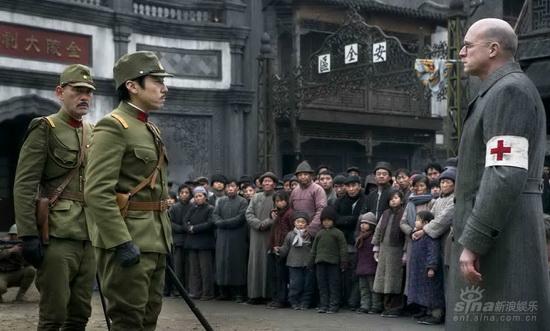
The biopic "John Rabe," which opened yesterday, describes the efforts of German businessman Rabe to help set up a shelter in Nanjing for more than 200,000 Chinese citizens during 1937.


Rabe is sometimes called "China's Oskar Schindler" after the businessman who saved Jews in Europe.


Lu's bold film featuring a distraught Japanese soldier is considered shocking by many people used to standard portrayal of the invaders in the War of Resistance Against Japanese Aggression (1937-45). It is also extremely graphic and violent, shot in black and white with handheld cameras.


The Sino-German coproduction "John Rabe," however, is more reassuring and uplifting, about the best of human efforts.


Directed by Oscar-winning film maker Florian Gallenberger, it stars German actor Ulrich Tukur as Rabe, a German engineer-businessman operating in a neutral Safety Zone.


American actor Steve Buscemi plays a doctor who helps Rabe and Chinese mainland actress Zhang Jingchu plays a Chinese student who uses her camera to record the atrocities committed by Japanese troops.


Last week, "John Rabe" won four Lola prizes at the annual German Film Awards, the German Oscars, including best film, best actor, best costume design and best art direction.


The film is widely expected to represent Germany in next year's US Academy Awards for best foreign-language feature.


Director Gallenberger once said he hoped the film would be shown in Japan and encourage Japanese to face their past.


The film doesn't depict Rabe as a great hero, instead it portrays him as an ordinary person who did extraordinary things. Like others, Rabe experiences fear, confusion and depression, but pushes ahead with his humanitarian actions.


Due to Rabe's long experience in China working for Siemens AG and his familiarity with Nanjing, he was elected head of the International Committee for the Nanjing Safety Zone.


When the city was occupied by the Japanese army, he used his Nazi Party membership and appealed to the German-Japanese bilateral pact to try to protect civilians. That failed, but it also created a delay that allowed people to flee.


After his return to Berlin in 1938, Rabe was arrested for collaborating with the Chinese. Twelve years later he died in Berlin, an impoverished man, but he was memorialized as a hero by the Chinese people.


Before shooting, Gallenberger and the production visited Nanjing, the Nanjing Massacre Memorial Hall and Rabe's former residence. Most of its locations, however, were filmed at Shanghai's old factories, hotels, docks and alleys.


The film's trophies and successful media screenings around the country are expected to improve its box office performance. "City of Life and Death," however, will be its biggest rival during the Labor Day holiday.


Critic Chen Hua says he was more impressed by "John Rabe" and its message of peace, selflessness and love.


"City of Life and Death," filmed in black and white with handheld cameras, has a gritty and realistic style. Various figures, including a Chinese schoolteacher, and interpreter and others are depicted, but at the center is the traumatized young Japanese recruit from a church school.


"John Rabe" has "a more mature shooting style, from the portrayal of characters to its rhythm and music," Chen adds.


"City of Life and Death" has already taken about six million yuan (US$882,000) at the chain's box office, according to Wu Hehu, deputy director of Shanghai United Cinema Lines.


Wu says each of the two films has a distinct style and captures different aspects of carnage.


"However, 'John Rabe' takes a look at the massacre's cruelty and inhumanity from a less distressing and somewhat more distant angle and it centers on his own heroic stories," Wu says.


He does not view the different viewpoints of the two films as a negative thing. "It can raise the awareness of the younger generation of this special period of history."


"John Rabe" is screened in its German original and a Chinese-dubbed version, both with English and Chinese subtitles. Check C7 for where to watch the film.

2009年4月29日 星期三

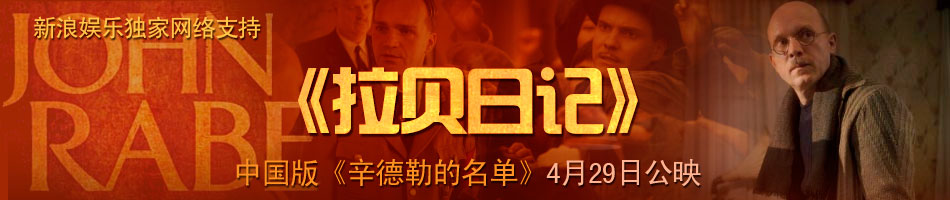
"John Rabe" Premieres in Beijing


On the same day as the film "Nanking Nanking" opened in theaters, "John Rabe" was released to a limited audience in Beijing. It too tells the story of the Nanjing Massacre, but the two films have different perspectives.


"John Rabe" is a joint production involving China, Germany and France. The movie made its world premiere at the Berlin Film Festival in February.


It is based on the diaries of John Rabe, a German businessman. Rabe is best known for his efforts to stop the atrocities of the Japanese army during the Nanjing Massacre in 1937. He tried to protect Chinese civilians during the event.


The story of John Rabe is also told in the film "Nanking Nanking" of director Lu Chuan. But the two films portray Rabe's departure from China differently.


Wang Zhonglei, the producer of "John Rabe" said, "I suggest the audience members to view it as their own perspective. I'm in hope and respect for Lu Chuan's film. Because I think all those who have devoted to make the film about Nanjing Massacre are deserved for respect. "


As both cover the same subject, "Nanking Nanking" and "John Rabe" were both released on Wednesday in China.